{config.cms_name} Dom / Produkty / Zawór UPVC/CPVC / SCH8O/DIN UPVC/CPVC Ⅰ Ball Valve
Zheyi Pipeline (Wuhan) Co., Ltd.
na zamówienie SCH8O/DIN UPVC/CPVC Ⅰ Ball Valve Dla przemysłu spożywczego/motoryzacyjnego/elektronicznego
SCH8O/DIN UPVC/CPVC Ⅰ Ball Valve

SCH8O/DIN UPVC/CPVC Ⅰ Ball Valve

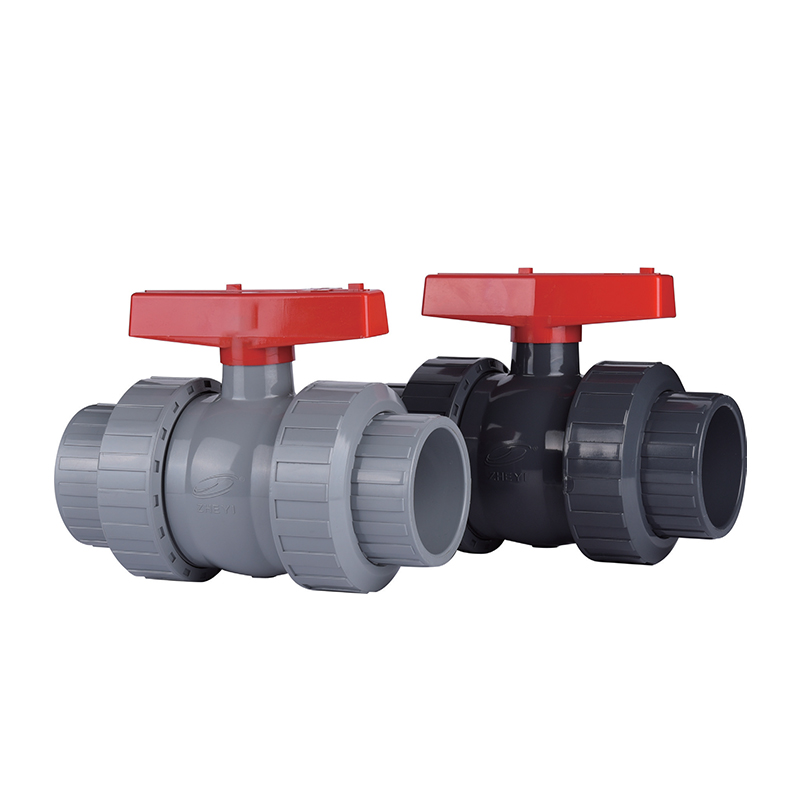
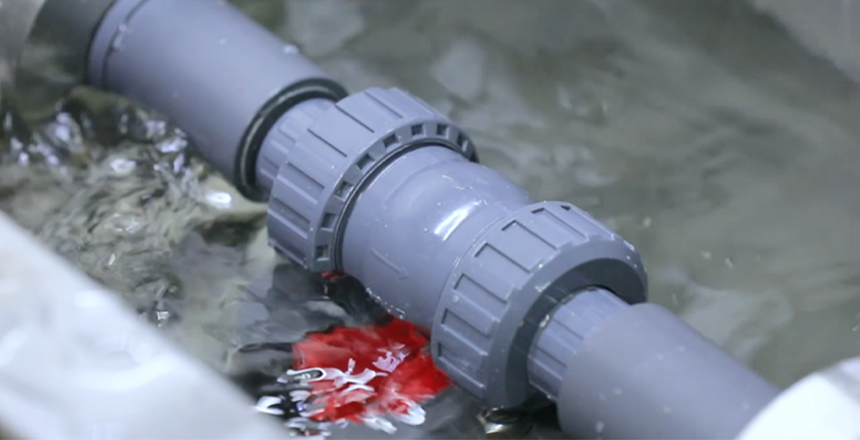
The UPVC/CPVC I ball valve is a high-performance valve designed for industrial pipelines and water treatment systems. Its simple yet efficient design, featuring a spherical valve core, provides extremely low fluid resistance when fully open or closed. The valve’s quick opening and closing and ease of operation make it perform excellently in pipeline control.

Our product boasts sealing performance with high-quality sealing rings, ensuring leak-free operation and extending the equipment's service life. The lightweight nature of the UPVC/CPVC I ball valve makes it easy to install and maintain, and it is widely used in industries such as chemical processing, pharmaceuticals, drinking water treatment, and HVAC systems.

Skontaktuj się z nami
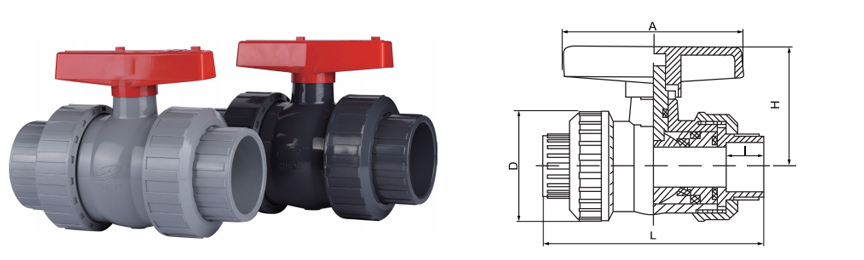
parametr aplikacja Normy techniczne
  • dn

    DN

    Structure size

     A

     D

     H

     L

    20

    15

    75

    50

    50

    106

    18

    25

    20

    87

    55

    56

    120

    22

    32

    25

    100

    67

    67

    134

    22

    40

    32

    110

    78

    73

    154

    26

    50

    40

    114

    96

    87

    178

    32

    63

    50

    140

    110

    100

    205

    39

    75

    65

    160

    130

    106

    232

    45

    90

    80

    196

    158

    130

    281

    51

    110

    100

    298

    199

    183

    325

    61

SCH80 / DIN Full Port One-Piece
UPVC / CPVC Ⅰ Ball Valve
Lever Operated · Lockable Handle · PTFE Seats
The SCH80/DIN UPVC/CPVC Ⅰ Ball Valve is a quarter-turn isolation valve engineered for reliable shut-off in corrosive and high-purity fluid systems. Manufactured to ASTM SCH80 and DIN standards, this one-piece ball valve features a full port design that maintains line flow characteristics with minimal pressure drop. The valve body is available in UPVC for general chemical service or CPVC for elevated temperature applications up to 93°C. PTFE seats and seals provide bubble-tight shut-off across the full pressure range, while the lever handle includes a lockable feature for position assurance in critical installations.
DN15–DN100
Size Range
PN10–PN16
Pressure Rating
–20°C to +93°C
CPVC Range
Full Port
Flow Design
A
Chemical Resistance
UPVC and CPVC materials resist a broad spectrum of acids, bases, salts, and oxidizing agents. The inert polymer structure prevents leaching and maintains fluid purity in sensitive applications.
B
Full Port Flow
The ball bore diameter matches the nominal pipe size, eliminating flow restrictions and reducing pressure drop. This design minimizes energy consumption and ensures consistent flow rates.
C
Bubble-Tight Shut-Off
PTFE seats provide a reliable seal against the chrome-plated or solid CPVC ball. The one-piece body construction eliminates potential leak paths through the end connections.
D
Temperature Versatility
CPVC variants support continuous operation up to 93°C, making them suitable for hot corrosive liquids, industrial process water, and high-temperature chemical transfer.
Technical Specifications
Body Material
UPVC (unplasticized polyvinyl chloride) · CPVC (chlorinated polyvinyl chloride)
Ball Material
Chrome-plated brass (UPVC) · Solid CPVC (CPVC body)
Seat / Seal Material
PTFE (standard) · EPDM (optional for water service)
Connection Type
Socket (solvent cement) · Threaded (NPT/BSPT) · Flanged (DIN)
Standard Compliance
ASTM D2467 (SCH80) · DIN 8061/8062 · ISO 16139
Handle Type
Lever handle with 90° travel · Lockable in open/closed positions
Application Fields
Chemical & Metallurgy
Acid transfer, alkali dosing, pickling lines, plating bath circulation
Electronics & Semiconductors
Ultrapure water (UPW) distribution, electronic-grade chemical handling
Energy & Photovoltaics
Lithium battery electrolyte, solar cell etching, nuclear auxiliary cooling
Water Treatment
Industrial wastewater, desalination, RO permeate, potable water
Food & Pharmaceutical
Deionized water, CIP solutions, sanitary process lines
Automotive & General
E-coat circulation, parts washing, cooling water systems
Installation Notes
  • Solvent cement: Use primer and cement specifically formulated for UPVC or CPVC. Allow full cure time before pressure testing.
  • Threaded connections: Apply PTFE tape to male threads only. Hand-tighten plus 1–2 turns with a strap wrench.
  • Flanged connections: Use full-face EPDM or PTFE gaskets. Torque bolts evenly in a cross pattern to 15–20 Nm.
  • Mounting orientation: Install with handle in accessible position. For horizontal lines, stem should be vertical.
  • Actuator installation: Verify torque compatibility with valve stem rating. Use manufacturer-approved mounting bracket.
Critical Restrictions
  • Do not use UPVC ball valves with fluids above 60°C or with concentrated nitric acid (>15%).
  • CPVC valves are not rated for steam service or chlorinated solvent exposure above 60°C.
  • Avoid sudden pressure surges exceeding 1.5× the rated working pressure.
  • Do not operate the handle with excessive force — over-torquing may damage the stem seal.
  • Not suitable for gaseous media above 2 bar without safety relief provisions.
  • UV exposure: Store and install in shaded areas or apply UV protective coating.
Common Field Issues & Solutions
● Handle stiffness after thermal cycling
PTFE seats may expand at temperature extremes. Cycle the valve fully open and closed 3–4 times at ambient temperature. If resistance persists, lubricate the stem with silicone-based grease. Avoid petroleum-based lubricants.
● Leakage at the stem area
Tighten the stem gland nut incrementally (1/8 turn at a time). If leakage continues, replace the stem O-rings. For CPVC valves in hot service, verify that O-ring material is compatible with the fluid temperature.
● Media leakage past the ball in closed position
Inspect PTFE seats for wear or deformation. Replace seats if worn beyond 0.5 mm. For systems with frequent cycling, consider upgrading to reinforced PTFE seats.
● Cracking near the connection area
Over-torquing of threaded or flanged connections is the most common cause. Verify torque values against the installation manual. Replace cracked components immediately — do not attempt repair with adhesives.
Firma
Zheyi Pipeline (Wuhan) Co., Ltd.

ZHEYI Group Tak Chiny SCH8O/DIN UPVC/CPVC Ⅰ Ball Valve Dla przemysłu spożywczego/motoryzacyjnego/elektronicznego dostawca I na zamówienie SCH8O/DIN UPVC/CPVC Ⅰ Ball Valve Dla przemysłu spożywczego/motoryzacyjnego/elektronicznego fabryka. Zostaliśmy założeni w 2007 roku, skupiając się na badaniach i rozwoju, produkcji, sprzedaży i serwisie rur przemysłowych CPVC i UPVC. Firma uzyskała szereg certyfikatów, w tym licencję na produkcję specjalistycznego sprzętu, licencję na higienę produktów związanych z wodą prowincji Zhejiang, certyfikat systemu zarządzania jakością IS09001, certyfikat systemu zarządzania środowiskowego IS014001 i certyfikat systemu zarządzania bezpieczeństwem i higieną pracy IS045001. Firma posiada ponad 50 niezależnych praw własności intelektualnej i samodzielnych praw importowych i eksportowych. Aby zapewnić zróżnicowane produkty i lepsze usługi, firma wprowadziła zaawansowaną technologię, sprzęt narzędziowy oraz unikalne surowce i systemy zarządzania z Niemiec i Stanów Zjednoczonych. Na przestrzeni lat nasze produkty były szeroko stosowane w transporcie rurociągowym płynów kwaśnych i alkalicznych, wody ultraczystej, wody pitnej, czystej wody klasy elektronicznej i ścieków przemysłowych w przemyśle chemicznym, metalurgicznym, fotowoltaicznym, jądrowym, baterii litowych, półprzewodników elektronicznych, spożywczym, medycznym, samochodowym, uzdatniania wody przemysłowej i innych gałęziach przemysłu. Obecnie Grupa ZHEYI założyła ponad 30 spółek handlowych w całym kraju, a wszystkie rodzaje produktów są eksportowane do Europy, Ameryki, Azji Południowo-Wschodniej i innych krajów i regionów i cieszą się dużym uznaniem klientów krajowych i zagranicznych.
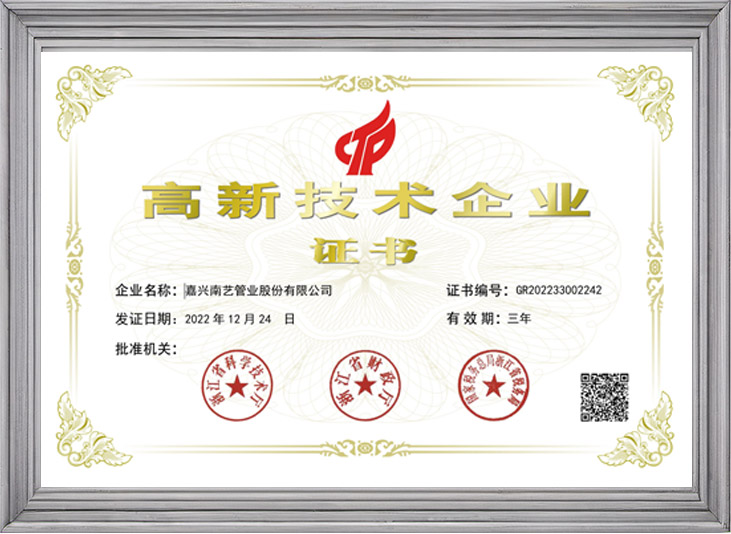
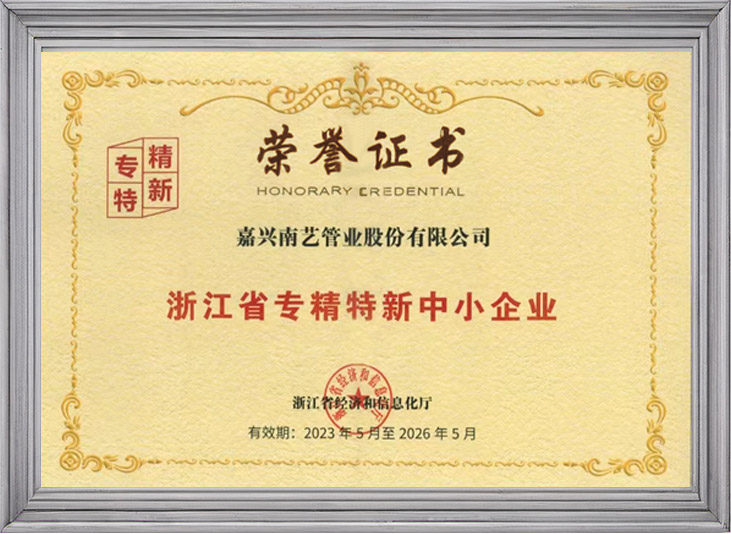
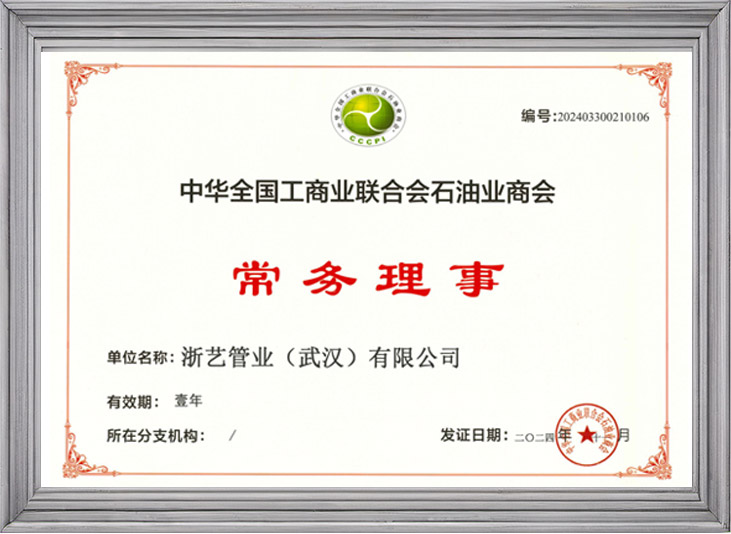
Certyfikat Honorowy
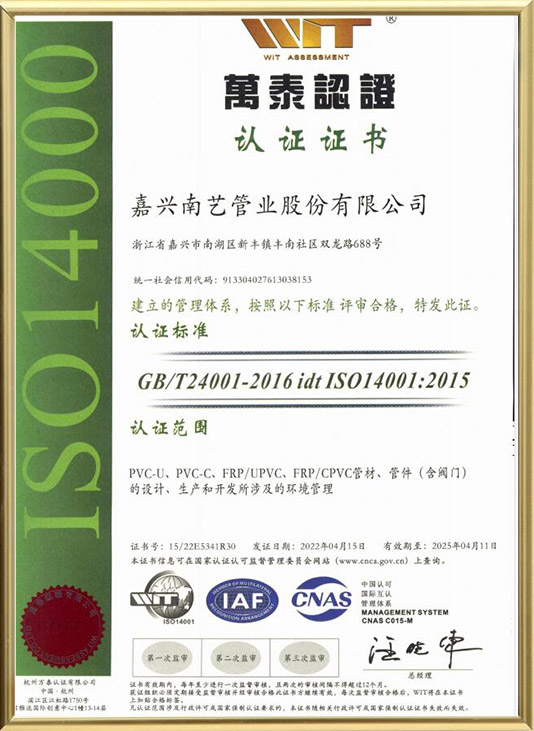
  • ISO 14001: 2015
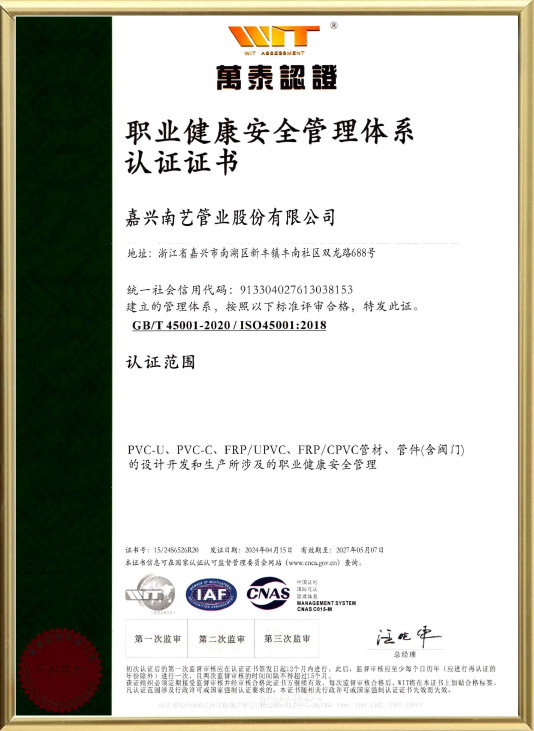
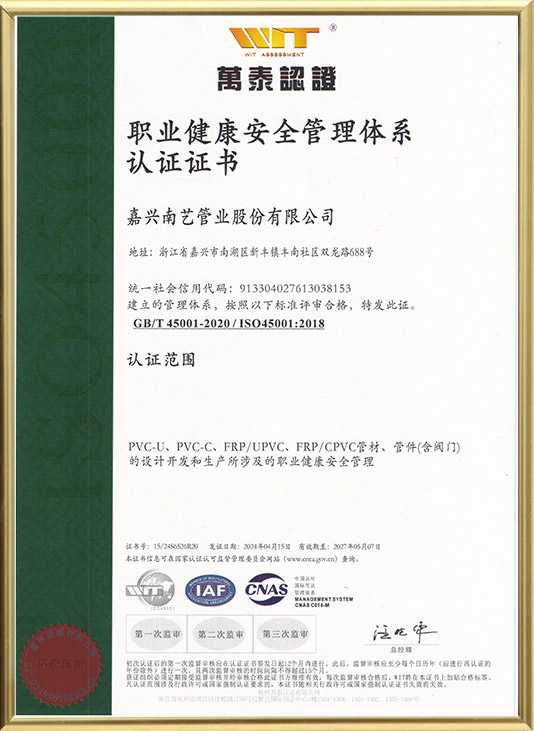
  • ISO 45001: 2018
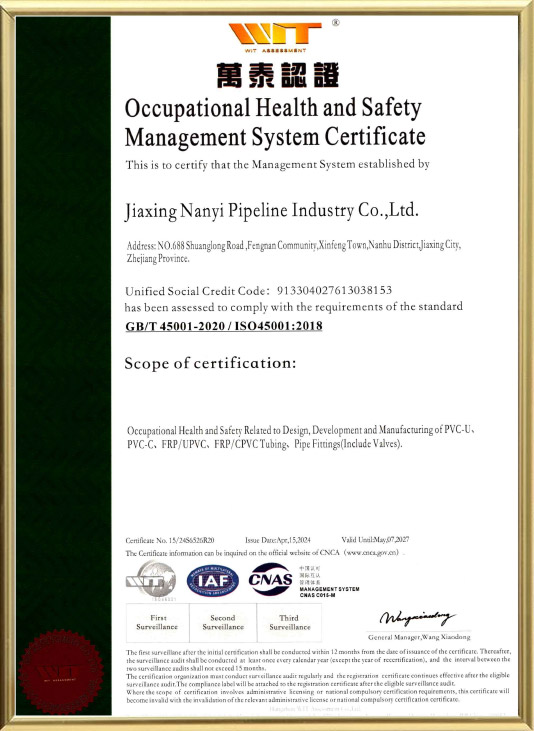
  • ISO 45001: 2018
  • ISO: 45001-2018 en
  • Krajowe przedsiębiorstwo zaawansowane technologicznie
  • Certyfikat
  • Certyfikat
Aktualności
Zostaw wiadomość
  • Zheyi Pipeline (Wuhan) Co., Ltd.
    Ścisła kontrola jakości

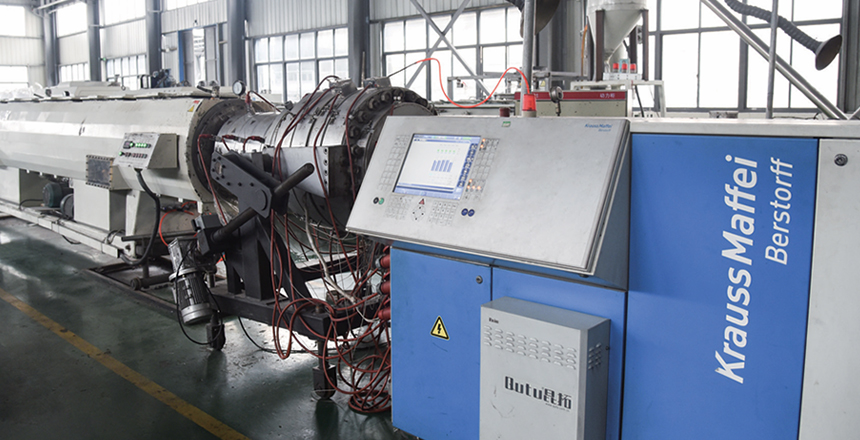
    Grupa ZHEYI przestrzega zasady „jakość przede wszystkim”, korzysta z najnowocześniejszego sprzętu na świecie i wysokiej jakości surowców, ściśle kontroluje każdy etap produkcji i zobowiązuje się do dostarczania produktów o doskonałej wydajności i wyjątkowym wyglądzie.

    Firma wykorzystuje najnowocześniejszy sprzęt produkcyjny i wysokiej jakości materiały, w tym japoński Sekisui i amerykański Lubrizol. „ZHEYI” doskonale łączy wykwintną technologię produkcji z profesjonalnym zarządzaniem, a każdy produkt przechodzi ścisłą kontrolę jakości - od produkcji, przez inspekcję, aż po ostateczną dostawę, zapewniając idealne połączenie wyglądu i funkcji.

  • Zheyi Pipeline (Wuhan) Co., Ltd.
    Testowanie wydajności precyzyjnej
    W ZHEYI każdy produkt jest starannie wykonany, nie tylko skupiając się na wykwintnym wzornictwie estetycznym, ale także zawsze angażując się w doskonałą jakość wewnętrzną. Rygorystyczne testy wydajności zapewniają, że produkt może zachować stabilność i trwałość nawet w trudnych warunkach.:

    ● Badanie gęstości: Pomiar gęstości materiału w celu zapewnienia jednorodności i stabilności konstrukcji.
    ● Badanie temperatury mięknienia Vicata: ocenia stopień mięknienia materiałów w warunkach wysokiej temperatury, aby sprawdzić zdolność produktu do przeciwstawienia się odkształceniom w różnych środowiskach.
    ● Test w piekarniku: symuluje długotrwałą odporność na ciepło i weryfikuje zdolność produktu do wytrzymywania wysokich temperatur przez długi czas.
    ● Próba hydrostatyczna: ocena wytrzymałości rur w warunkach wysokiego ciśnienia w celu zapewnienia bezpieczeństwa i niezawodności produktu.
    ● Test udarności młotem spadowym: sprawdza odporność produktu na uderzenia podczas transportu, instalacji i codziennego użytkowania.

SCH8O/DIN UPVC/CPVC Ⅰ Ball Valve Wiedza branżowa

How to correctly select UPVC/CPVC Type I ball valve? Key parameters and working condition matching guide

UPVC (unplasticized polyvinyl chloride) and CPVC (chlorinated polyvinyl chloride) Type I ball valves are widely used in many industries due to their excellent corrosion resistance, lightweight and cost advantages. Correct selection requires the combination of media characteristics, working conditions and industry specifications. The following are key selection points and typical industry application matching suggestions:

1. Media compatibility: chemical corrosion resistance matching
UPVC: Suitable for weak acid, weak alkali and normal temperature (≤60°C) water media, such as drinking water, industrial water treatment, etc.
CPVC: Higher temperature resistance (≤90°C), strong acid, strong alkali and organic solvent resistance, suitable for etching liquid in the electronic semiconductor industry, acid and alkali wastewater in the photovoltaic industry and other corrosive fluids.

2. Pressure and temperature rating
UPVC/CPVC I type ball valves are usually suitable for low pressure (PN10~PN16), and CPVC materials should be preferred for high temperature conditions. For example:
UPVC can be used for auxiliary pure water systems (low temperature and low pressure) of nuclear power plants;
CPVC should be used for high temperature pickling lines in the metallurgy industry and long-term thermal stability should be verified.

3. Special industry requirements
Medicine and safe drinking water: must comply with FDA or NSF certification to ensure that the materials are non-toxic and non-precipitated.
Industrial wastewater: when containing heavy metals or high-salt media, the chemical resistance of the valve seat sealing material (such as EPDM) must be verified.
Photovoltaic: often involves highly corrosive media such as hydrofluoric acid (HF), and the combination of CPVC valve body + PTFE seal is more reliable.

4. Structural design and installation environment
For corrosive gas environments (such as exhaust gas treatment in electronic semiconductor plants), it is recommended to use a fully enclosed valve body to avoid exposure of metal parts.
For frequently opened and closed working conditions (such as backwash pipelines in water treatment systems), a low torque design should be selected to extend service life.

5. Certification and standards
The drinking water industry must comply with NSF/ANSI 61, and the auxiliary systems of nuclear power plants must meet ASME NQA-1 quality control.

Nie przegap! Skontaktuj się z nami, aby uzyskać najnowsze informacje!
send